Dungeon Dive Video Archive Update

Warhammer Quest: The Undisputed King (Part I)

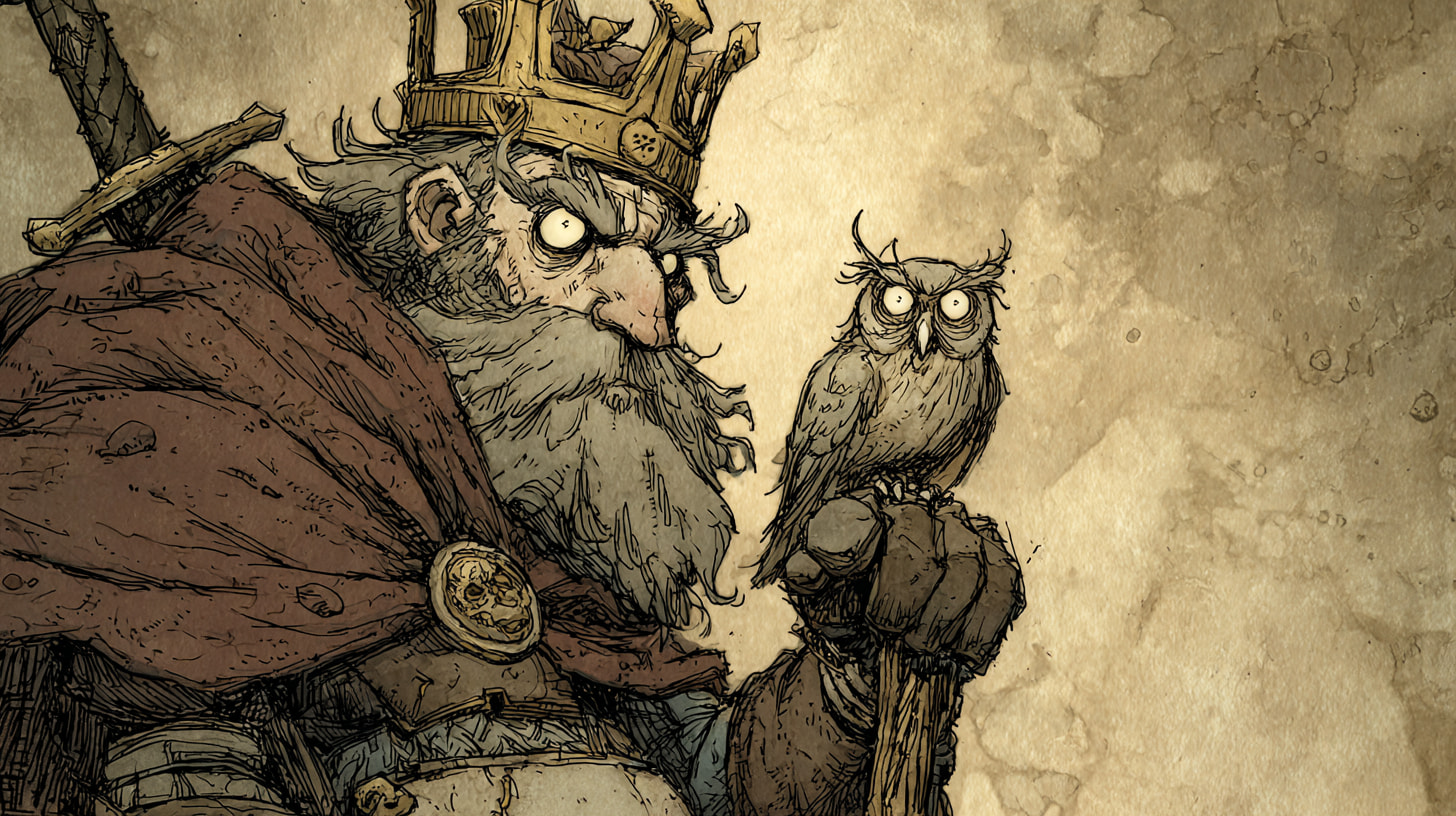
There are dungeon crawlers, and then there is Warhammer Quest. Daniel called it the undisputed king in 2018, and the archive has no grounds for appeal. Ten entries have been filed — the first chapter of what may be the most exhaustive examination of a single dungeon crawl game ever committed to video.

It begins, as it must, with the base game introduction — a reverent unpacking of the 1995 Games Workshop release that set the standard everything else is measured against. The Adventure and Role Play books follow, revealing the game’s split personality: one part board game, one part campaign RPG. The treasure and event cards round out the base game — the decks that give every dungeon its personality.

Then the expansions. The two big boxes — Lair of the Orc Lord and Catacombs of Terror — are examined in full. The warrior packs arrive in three waves: Part A, Part B, and Part C, covering every officially released character expansion. And then Daniel opens the White Dwarf magazines — Part 9 and Part 10 — where the true obsessives begin to nod in recognition.

The Chronicle (Part I):

Ten entries catalogued. Twenty-five more Warhammer Quest videos remain in the vault — the Let’s Play campaign, Silver Tower, the fan content, and the retrospectives that declare it still the gold standard. The king’s court has only begun to assemble.

231 transcripts • 220 posts archived

– The Keeper
Kneels before the king. Reluctantly.

2 Likes

Shadows of Brimstone: Into the Mines (Part I)

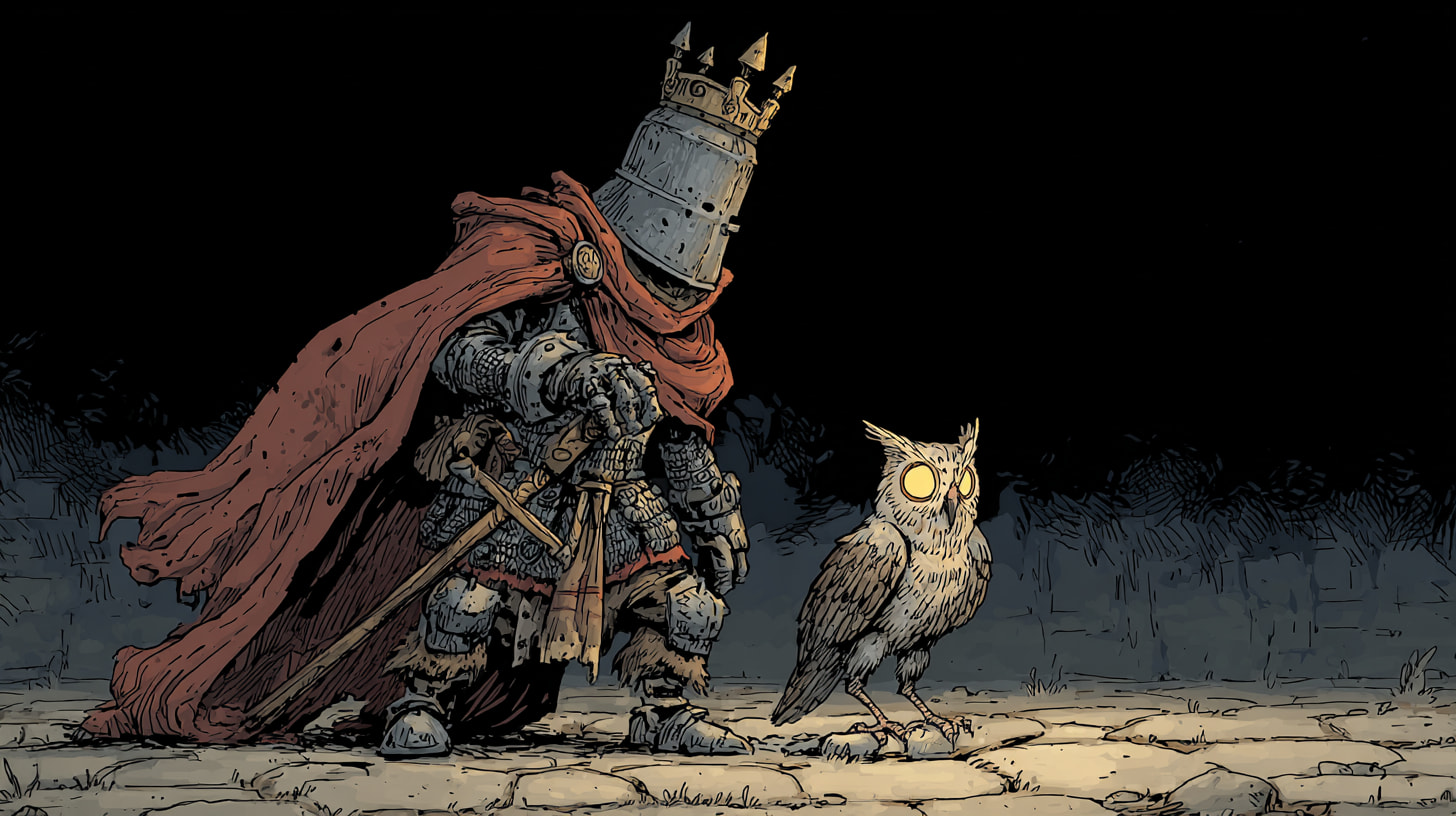
There are games that fill a shelf, and then there are games that become the shelf. Shadows of Brimstone is, by any honest accounting, the latter — a sprawling, genre-defiant monument to the proposition that cowboys, samurai, cosmic tentacles, and irradiated wastelands all belong in the same box. Possibly several boxes. With a side table for overflow.

Nine entries have been filed — the first instalment of what promises to be an extensive excavation. It begins with Daniel’s (@dungeondive) campaign preparation video, in which he combines Forbidden Fortress with the Blasted Wastes and argues, persuasively, that the samurai and the cowboy are two sides of the same coin (Yojimbo called; the Magnificent Seven answered). The Forbidden Fortress character overview follows — a parade of fox spirits, sumo wrestlers, and an enforcer who loses fingers for failed missions.

Then the deep dive proper. The buyer’s guide maps a $500 path through the wilderness of available content. Part 2 and Part 3 crack open the three core sets, comparing rulebooks, map tiles, and the advanced encounter system that makes every corridor feel inhabited. Part 4 explores the settlement phase — frontier towns, feudal villages, and the dangerous proposition of staying one night too many at the campsite. Part 5 surveys the card decks from growing dread to alien artifacts pulled from the belly of a living beast. Part 6 examines the heroes and monsters in detail — assassins with smoke bombs, preachers with shotguns, and a goliath that resembles nothing so much as an irradiated kaiju. And Part 7 delivers the verdict: five loves (the pulp-stew theme, the loot, the emergent campaign loop) and five frustrations (the cost, the storage, the relentless d6 rolling).

Also fresh from the surface world: a new Dungeon Degenerates dispatch — Goblin Mode unboxed, the Lowlife RPG debated, and Colin the Goblin’s feathered cartwheel hat described in alarming detail.

The Expedition Log:

Ten entries catalogued. Thirty-three more Shadows of Brimstone videos remain in the vault — the expansions, the otherworlds, the solo RPG experiments, and the giveaways. The mines are deep, and we have barely passed the first portal.

312 transcripts • 312 posts archived

– The Keeper
Notes that the Crown Royal bag is load-bearing infrastructure.

1 Like

Warhammer Quest: The Undisputed King (Part II) — Beyond the Dungeon

Part I catalogued the official canon. Part II ventures into the territories beyond — the White Dwarf hinterlands, the Deathblow badlands, the fan-made empires, and one extraordinary brick of 800 professionally printed cards that suggests the king’s subjects may have surpassed the court.

Daniel (@dungeondive) picks up the White Dwarf trail where we left off. Issues 191-195 yield gold: a Skaven expansion Daniel suspects was a scrapped boxed set (the Domain of the Horned Rat, complete with Warp Fire Generator and three full adventures), a Nurgle plague expansion with similarly suspicious production values, and cardboard supplements for collapsed passages and multi-level stairwells. Issues 196-208 chart the slow fade — ocean travel rules for the Lost Kingdoms, the sewer tile of Slaanesh, and Andy Jones’s bittersweet two-year retrospective on the game that outlived its own development cycle.

Between the official and the fan-made sits Blackstone Fortress — the first Warhammer Quest in the 40K universe, with its MMO-style raid structure, legacy deck countdown, and four mandatory explorers. Daniel admires the engineering. He’s less sure about the solo experience.

The three issues of Deathblow — the official fanzine — deliver a mixed bag: Lizardmen rules, a Kislev expansion with yetis, critical wound tables, and four warrior classes released incomplete. The magazine reprinted so much White Dwarf content that Daniel suggests the issues themselves are less essential than their sources.

Then comes the real treasure hoard. Daniel’s survey of fan-created content reveals a community that refused to let the king die. Littlemonk emerges as the game’s great archivist — maintaining the Customized Runboard, producing the Hall of the Hag Queen (an expansion indistinguishable from official GW products), compiling the Ultimate Adventure Book of every known quest, and building d100 event tables that dwarf the originals. The brick of 800 cards is the capstone: professionally printed, perfectly sized to match 30-year-old originals, with corrected rules, added artwork, and six treasure packs spanning official reprints to entirely new custom content. At $175, Daniel calls it an investment in both his collection and his time.

Also freshly arrived from the surface: Dice Commandos, a tactical espionage dice puzzle game with cyber apes, a T-Rex, and a stealth system that packs six missions into a $20 box. The king would approve of such efficiency.

The Chronicle (Part II):

New Blood:

Eight entries catalogued. The Let’s Play campaign, Silver Tower, and the retrospectives still await in the vault. The king’s court grows restless.

241 transcripts • 320 posts archived

– The Keeper
The fan-made wing of the archive is now larger than the official one. Draw your own conclusions.

1 Like

Shadows of Brimstone: Through the Portals (Part II)

The core sets have been opened, the dice weighed, the Crown Royal bag loaded. Now the portals beckon — and Daniel has obliged by walking through every last one of them.

Part II of the Brimstone excavation ventures beyond the mines and into the expansions proper. The Frontier Town arrives first, and it is no mere shopping trip. This is an expansion that turns the settlement phase into its own game — randomised locations, daily event decks, town types ranging from plague-ridden to haunted, and a Devil’s Wheel gambling game played on the box lid. Bandits bring ranged combat and infamous gangs. The sheriff’s office issues bounties; the smuggler’s den offers bank heists. Daniel calls it one of the great board game expansions, full stop.

Then the otherworlds open. The Derelict Ship channels Event Horizon and Alien — skeletal necronauts in spacesuits, hydroponic garden tiles in novel circular shapes, and a warp drive that folded space one time too many. The Caverns of Cynder disappoints out of the box (one enemy type, thin threat deck) but becomes something genuinely good once Belial and the Hellfire Succubi expand the expansion — a franchise first where supplements require their own supplements. Trederra drops players into an alien industrial war zone with cover mechanics, patrol ambushes, six warring factions, and lieutenants issuing battlefield orders. It is drab, Daniel concedes, but it will make your game harder and your dice rolls more numerous. The Blasted Wastes delivers the most plastic of any expansion — a Mad Max prison planet with a Barter Town (cargo-cult temples, gladiator arenas), a day/night acid-pool cycle, and five scavenger warbands.

A weird western fiction interlude pauses the unboxing to recommend Brautigan’s The Hawkline Monster — a punk-rock gothic western — and the Splatter Western series, whose covers could be Brimstone box art.

Then Forbidden Fortress gets its turn. The Forest of the Dead earns Daniel’s praise for the best tile art in the game — a haunted realm where any enemy in your collection can appear as a ghost or zombie, and fallen campaign heroes return as legendary spectres. Finally, the Temple of Shadows adds four heroes (the Kitsune fox spirit being the clear standout), lantern yokai that explode on death, and a fallen shogun mini-boss — though Daniel questions whether “deluxe” is the right word for what is essentially Forbidden Fortress’s missing second half.

The Expedition Log:

Eight more entries filed. Twenty-six Shadows of Brimstone videos remain in the vault — allies, enemies, mission packs, hexcrawl campaigns, solo RPG experiments, and the inevitable wrap-up. The mines run deep, but we have now mapped several of their stranger tributaries.

328 transcripts • 328 posts archived

– The Keeper
Observes that the Caverns of Cynder require an expansion to expand the expansion that expands the game. Turtles, as they say, all the way down.

2 Likes

Warhammer Quest: The Undisputed King (Part III) — The Let’s Play Campaign

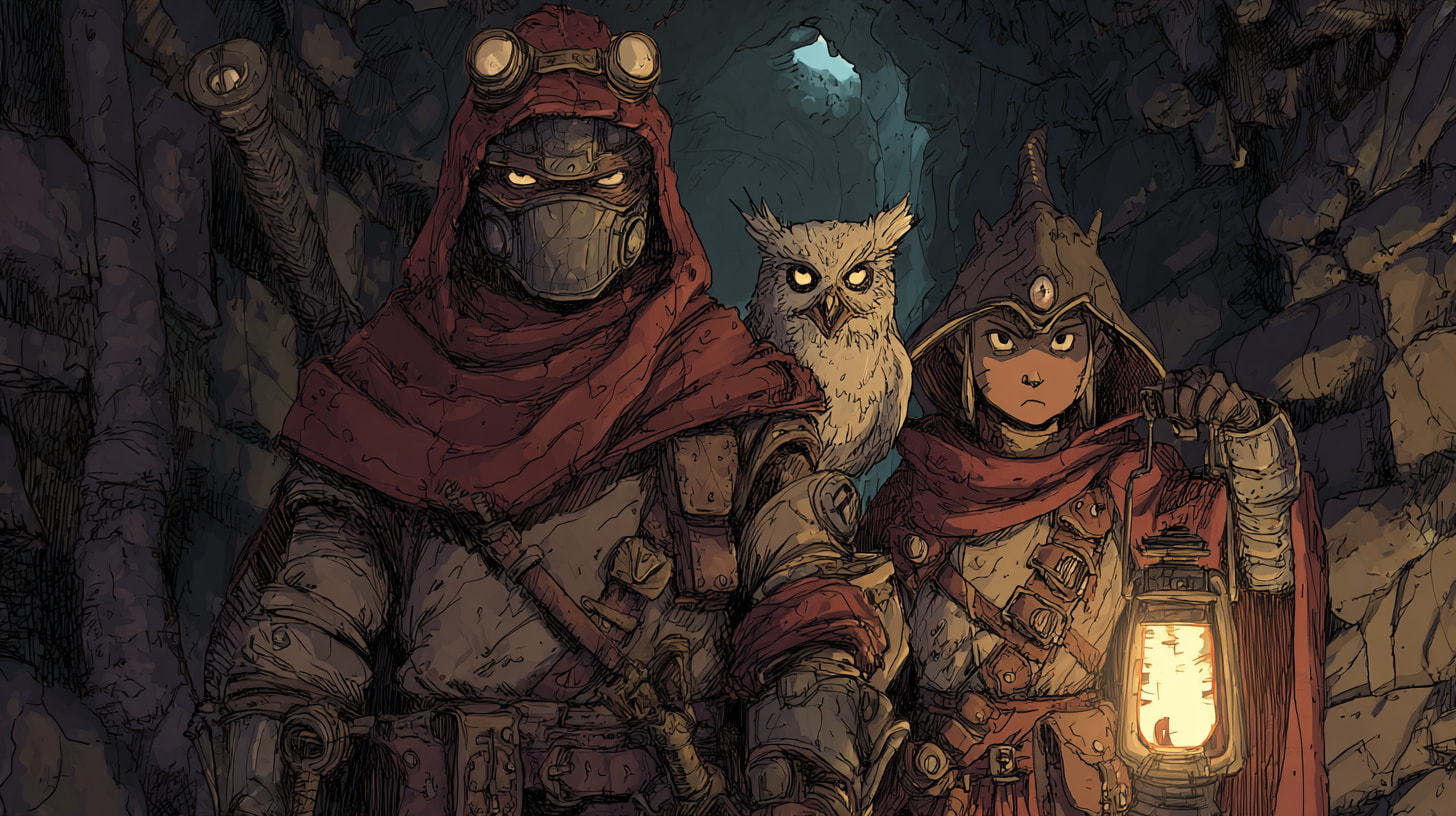
Parts I and II catalogued the artefacts. Part III follows two fools into the dark.

In the summer of 2019, Daniel took his Barbarian and Witch Hunter into the dungeons beneath Karak Azgal on a quest to restore the Dragon’s Eye — and what followed is nine episodes of the most entertainingly doomed campaign the archive has ever preserved. It begins, as all Warhammer Quest campaigns must, with character creation: Harlan Peters the Barbarian, Saul Matheson the Witch Hunter, three magical amulets, and a quest from a dwarf named Bartok Hammersmith.

The bottomless pit claims Saul in Part 2. He rolls a three when he needs a four. The witch hunter plummets. Daniel improvises a narrative rescue — Bartok’s dwarves fish the unconscious Saul from the depths, but his faith is stripped as divine punishment. Part 3 sees the barbarian flee alone through a gauntlet of orcs and goblins, barely surviving the escape table. The quest resets. The objective remains.

The second dungeon attempt unfolds across Parts 4 through 9: skeletons with fear checks, dead-end corridors, a goblin shaman ambush, and — in a twist that would make Games Workshop’s playtesters weep — the same bottomless pit appearing again, blocking the only remaining path to the objective room. Part 6 delivers a catastrophic cascade: minotaur, spider lair, paralysis trap, and six orcs, all in consecutive power phase rolls of one. Part 7 sees the warriors survive by the thinnest of margins — a berserk barbarian, an Amulet of Holy Fire, and a Shield of Deliverance absorbing a killing blow. Both warriors cross the bottomless pit safely. The dungeon holds its breath.

The finale is magnificent in its cruelty. Harlan chains four deathblows across the objective room, clearing six enemies in a single turn. Saul falls to the minotaur. The barbarian kills the beast but the orc archers roll hot. Harlan dies within arm’s reach of the dragon statue, gem in hand. Daniel gives him one last narrative roll — a six to hurl the crystal into the dragon’s eye with his dying breath. It is not a six. The gem tumbles into the chasm. The curse endures.

Also newly surfaced from the vault: Daniel’s survey of The Best Horror Fiction — a wide-ranging tour from Arthur Machen to Victor LaValle, with particular reverence for William Peter Blatty’s dialogue and Thomas Ligotti’s atmosphere. The king of the dungeon crawl, it seems, has taste in literature to match.

The Chronicle (Part III):

Ten entries catalogued. Silver Tower, the retrospectives, and the “Still the Gold Standard” trilogy still await in the vault. The king’s court has seen its first campaign — and its first Total Party Kill.

259 transcripts • 338 posts archived

– The Keeper
He needed a six. He did not roll a six. The dungeon remembers.

2 Likes

Shadows of Brimstone: Allies, Enemies & Bosses (Part III)

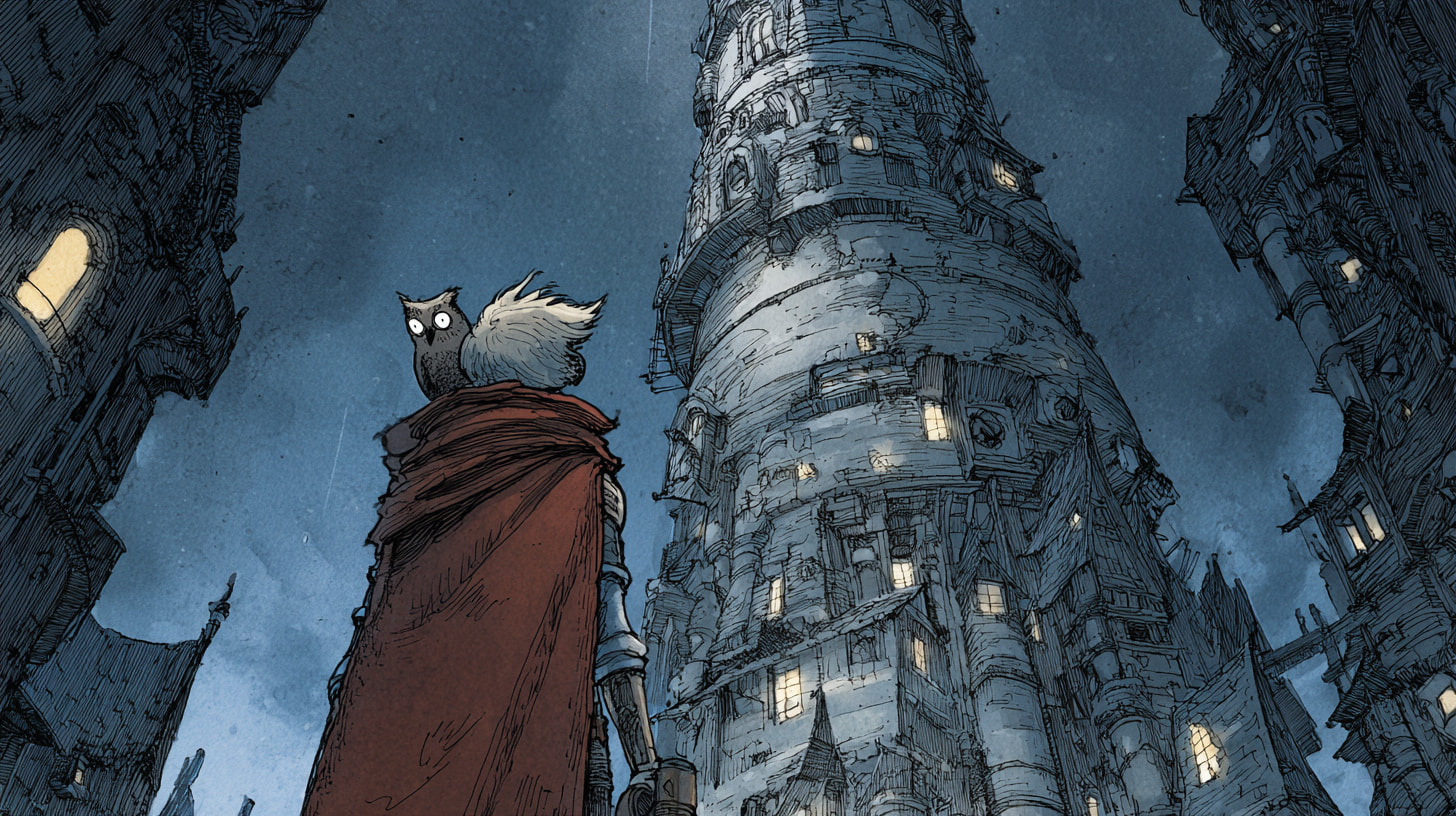
The expansions have been catalogued, the otherworlds mapped. Now the deep dive descends into the operational layer — the creatures that inhabit those worlds, the companions foolish enough to follow you into them, and the colossal horrors waiting at the bottom.

Part III opens with the Ally Expansions — Old West and Feudal Japan packs that let you hire blacksmiths, faithful dogs, pack mules, ronin bodyguards, and curious monkeys. Each can serve as a simple item card or step onto the board as a full character with stats, upgrades, and mutation charts. The henchman’s “check it out” ability is the jewel: send your hired gun to investigate the darkness, then roll on a gruesome fate table to learn how spectacularly he perished. Daniel recommends these unreservedly for solo play. The donkey, one notes, can also be levelled up.

A shopping interlude unpacks a Flying Frog web store haul — legendary named enemies for existing packs, the Magma Giant and Wasteland Terralisk, Holy Expedition prayers for Preachers, and Barter Town daily events that finally include the phrase “Who Runs the Barter Town?” Some things take time.

Two giveaway dispatches — Flesh Mites and the Akaname Tongue Demon — mark the generosity of a channel that remains stubbornly ad-free.

Then the mission packs arrive in force. Part 1 surveys the Order of the Crimson Hand (a cross-game secret cult) and the Werewolf Feral Kin (lycanthropic transformation mechanics and silver bullets). Part 2 covers the Feral Vampires (wooden stakes, holy water, and another hero-transformation curse), the Hellfire Succubi (shadow magic, a magnificent lava-throne tile, and the game’s first mechanical distinction between male and female heroes), and the Black Fang Tribe (dark-stone-addicted warriors with void-fuelled war chants).

The enemy survey spans three exhaustive entries. Part 1 examines four deluxe packs: the tribal Serpentmen of Jargano, the initiative-scaling Void Hounds and spell-casting Void Sorcerers, Daniel’s favourite miniature in the entire game — the Undead Gunslinger duelling his way through the mines — and the plague-spreading Omaraki Carrion Phoenix. Part 2 introduces the Flesh Stalkers (alien surgeons splicing DNA from other enemy types onto their mindless drones), Colonel Scafford’s mutant outlaws, the Three-Storms-inspired Thunder Warriors, and a rapid-fire tour of every smaller enemy pack from Tongue Demons to Dark Stone Scorpions. Part 3 closes with the Shadow Ninja Clan — acrobatic assassins with deadly mission objectives — plus a practical warning about buying Kickstarter sets on eBay.

Finally, the bosses. The Jorogumo spider queen, the floating hair-demon Hari Nago, the acid-spewing Gastro Tyrant, the Ancient One (not recommended for level-one parties, as the booklet helpfully warns), the Sand Kraken with its sanity-draining soulless eye, the Burrower whose attacks are entirely random, Belial — Lord of Cinder and the Caverns of Cynder’s ultimate redemption arc — and Sho Ryu the Dragon King with sixty-plus-ten-per-hero health and elemental dragon magic. Daniel teases a future hex crawl boss-hunt campaign. The vault stirs with anticipation.

The Expedition Log:

Ten more entries filed. Sixteen Shadows of Brimstone videos remain in the vault — expansion heroes, house rules, hex crawl campaigns, solo RPG experiments, and the inevitable wrap-up. The mines grow shallower, but what remains promises to be the most architecturally interesting stretch.

348 transcripts • 348 posts archived

– The Keeper
Observes that the donkey can be levelled up, mutated, and sent into combat. One suspects the donkey did not consent to this career change.

2 Likes